

1. Bollywood.
Bollywood is a popular industry film in Bombay. This movies have a particularity, that is the costumes that are colorfull, the dances and music. This industry starts in 1899. Dadasaheb Phalke is considered the father of Indian cinema since he was the first one to make a full-length movie in 1913. In it, both male and female characters were played by men. His movie inspired many people who soon started making films or working in movie production. By the 1930’s 200 movies per year were produced in India.
The first Indian movies were inspired by ancient texts. Many of the movies’ plots were taking stories from ancient Indian poems, the Parsi theatre or the traditional folk theatre of India. Despite the difficulties that the country was facing in the 1950’s, that was the time when India’s most critically acclaimed movies were made. Also, India’s biggest movie stars were born in this period. The movies of those years represented all the problems and struggles that society was facing.
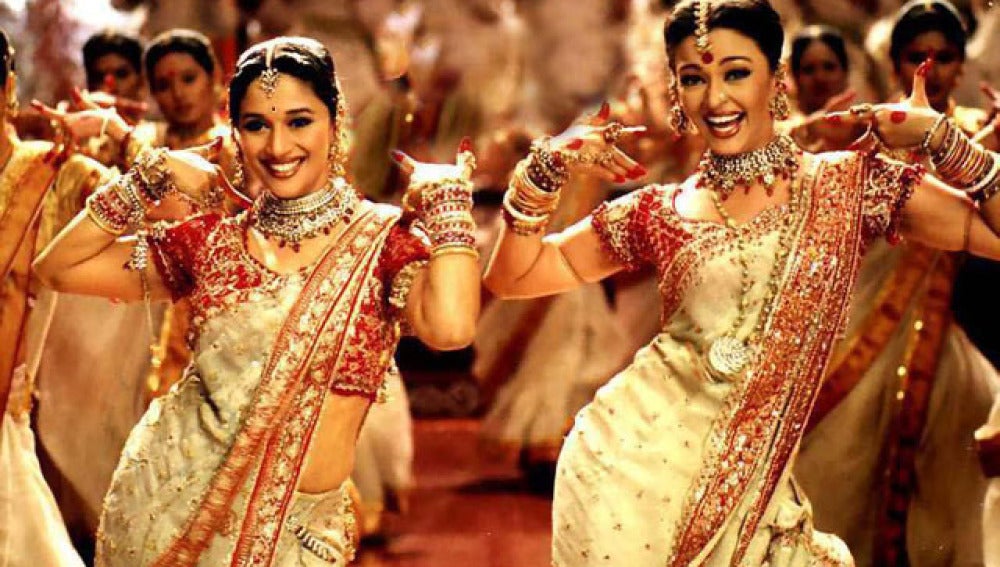
In the end of the 1950’s a new trend in Indian filmmaking was born. The new movies featured comedy, laughter and rock music, rather than dramatic scenes and sad songs. The movies were presenting new concepts- those of love, laughter and happiness. By the 1970’s and until the 1990’s Indian cinema went back to its previous role of recreating the sad and difficult everyday life of society.

In the 1990’s the industry went back to the romantic movies and comedies of the late 60’s.

2. Hinduism.
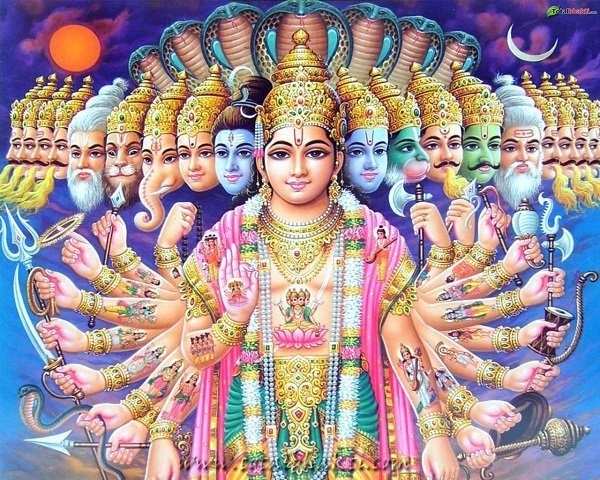
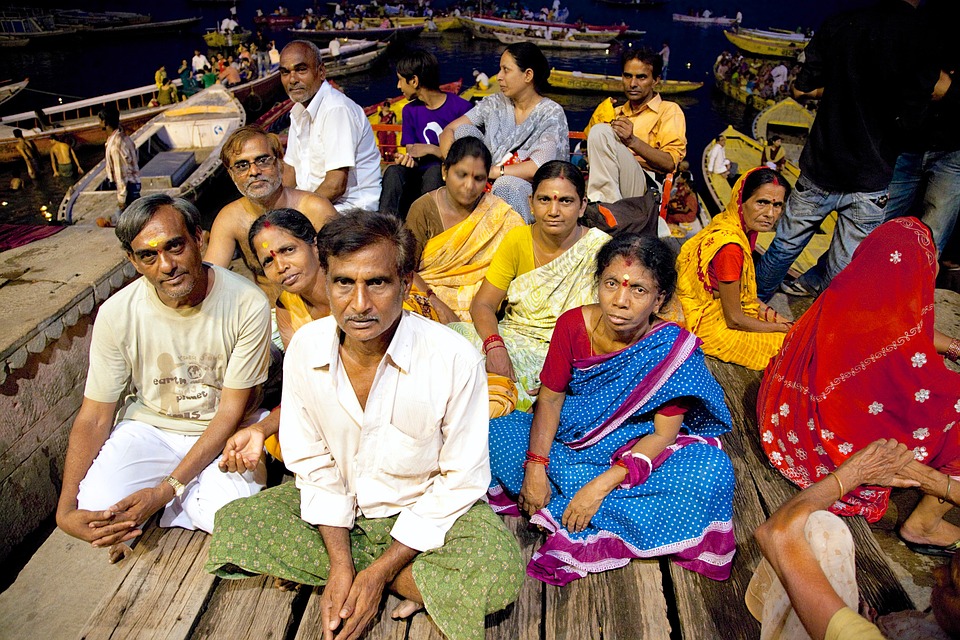
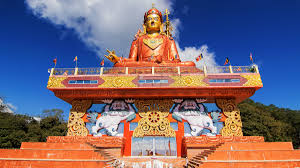
Is a polytheism religion originating on the indian subcontinent, is considererd one of the world’s oldest religions. It has aproximely 800 million of believers around the world. This religion has three principal gods (Brahma: the creator, Vishnu: the preserver and Shiva: the destroyer).
Principles.
- All human beings are divine
- Unity of existence through love
- Religious harmony
- Knowledge of 3 Gs: Ganga (sacred river), Gita (sacred script), Gayatri (sacred mantra)

Disciplines.
- Satya (Truth)
- Ahimsa (Non-violence)
- Brahmacharya (Celibacy, non-adultery)
- Asteya (No desire to possess or steal)
- Aparighara (Non-corrupt)
- Shaucha (Cleanliness)
- Santosh (Contentment)
- Swadhyaya (Reading of scriptures)
- Tapas (Austerity, perseverance, penance)
- Ishwarpranidhan (Regular prayers)

References.
https://www.justlanded.com/english/India/India-Guide/Culture/Bollywood
http://www.bbc.co.uk/religion/religions/hinduism/beliefs/intro_1.shtml
https://www.thoughtco.com/principles-and-disciplines-of-hinduism-1770057








 Intercultural communication